Transparent LED Light Solutions by Desay — See-Through Displays Engineered for Modern Architecture
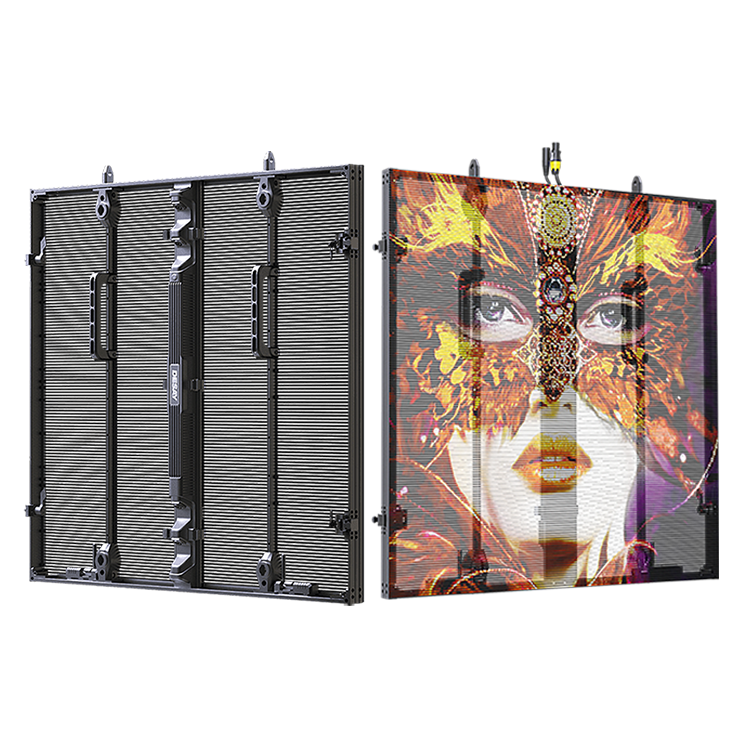
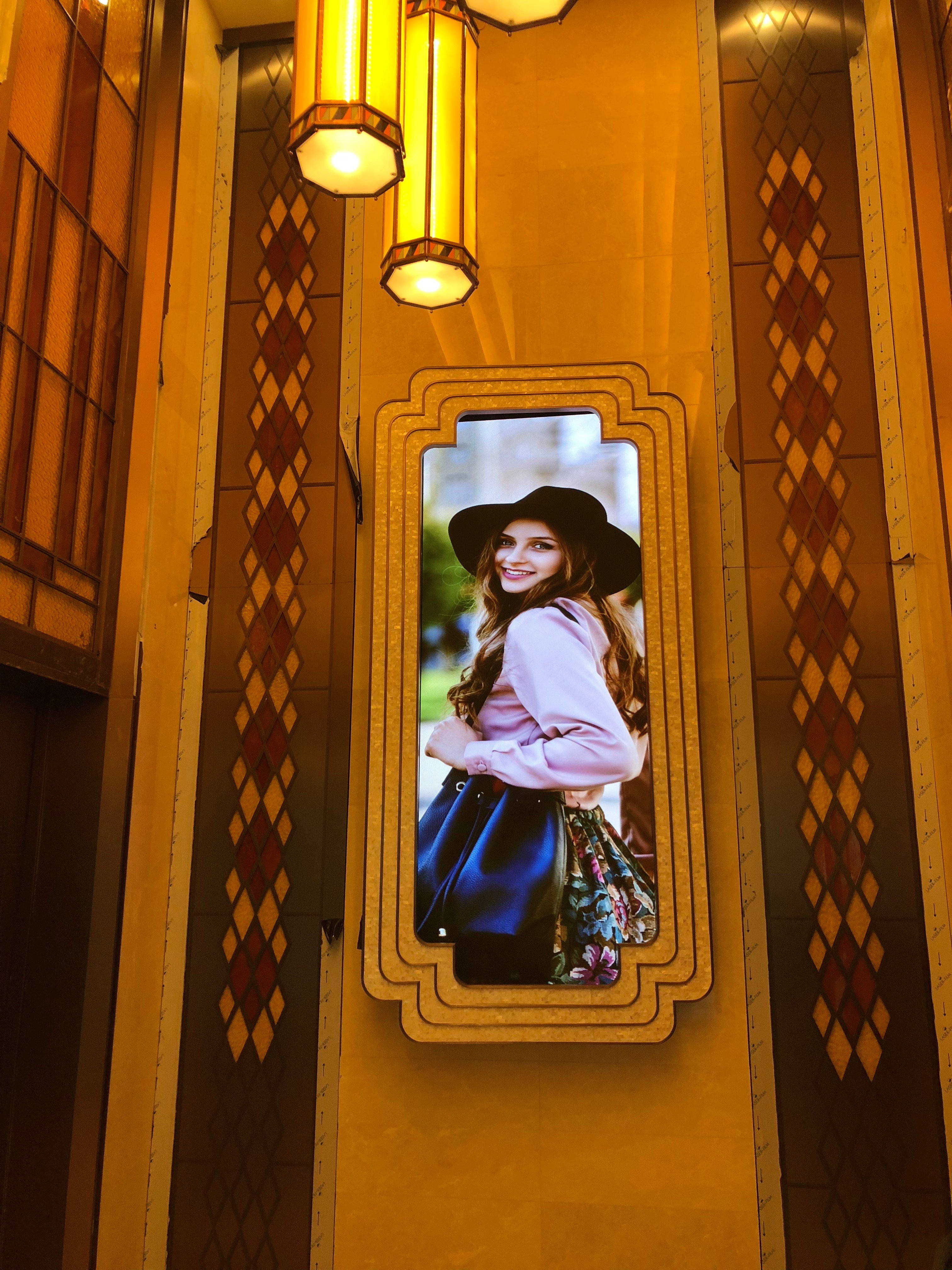
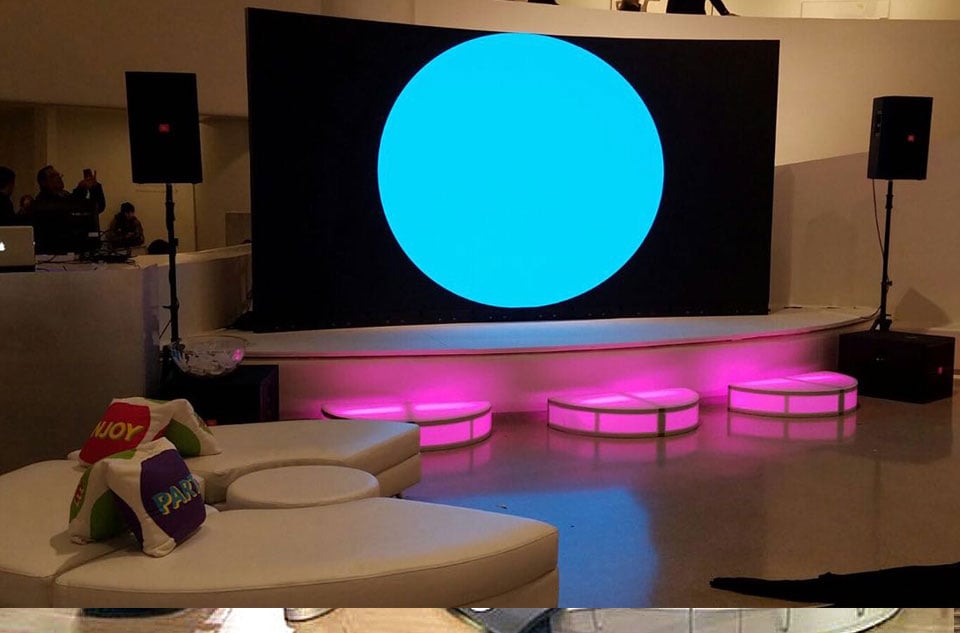
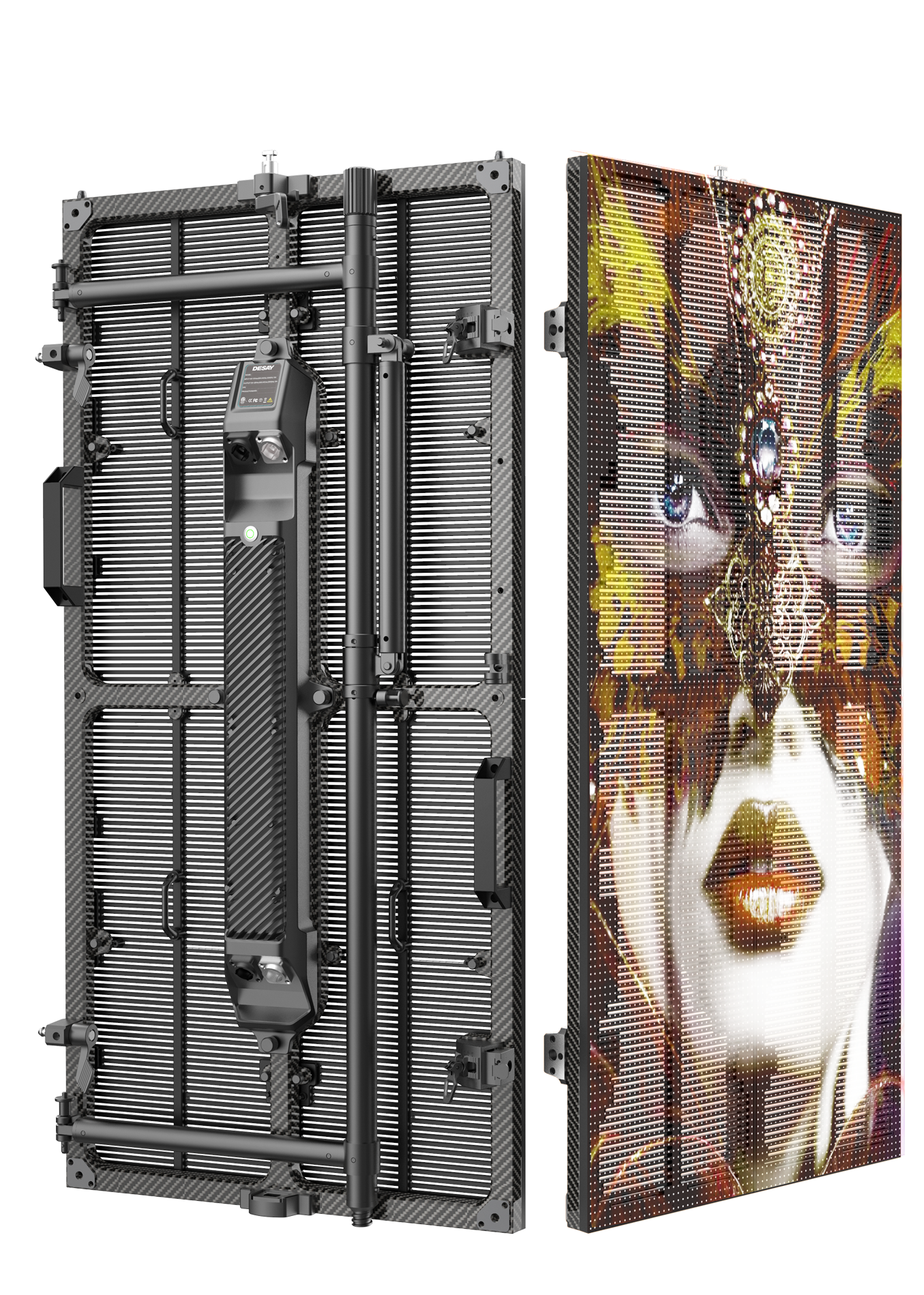
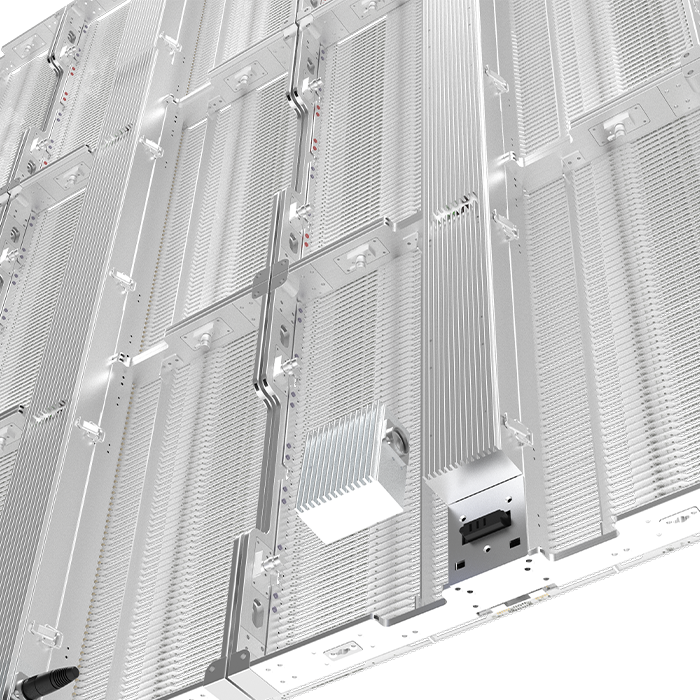
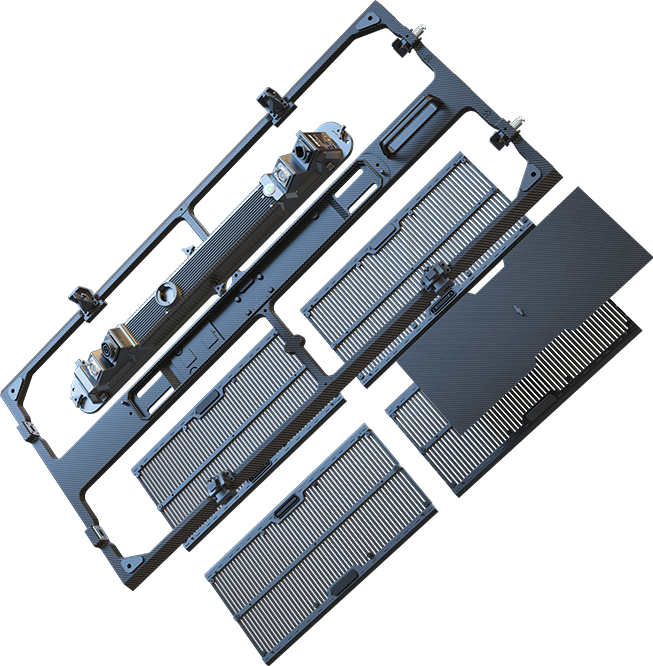
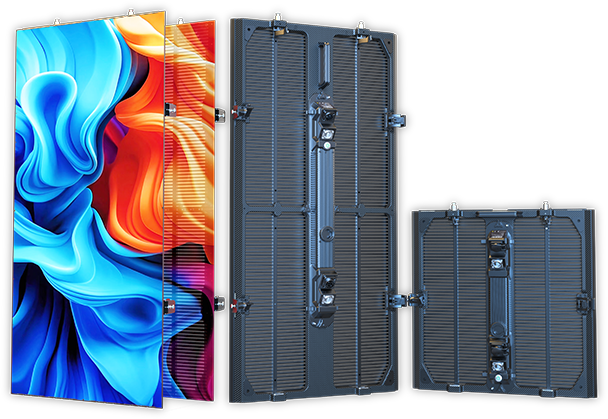
Transparent LED Light from Huizhou Desay Intelligent Technology Co., Ltd. represents a new generation of see-through display technology that blends vivid digital imagery with architectural transparency. As a state-owned enterprise founded in 1983 and active in the LED industry since 2001, Desay has built its reputation on reliability, scale, and innovation, with LED display sales revenue ranked No.1 in Asia and No.3 worldwide for eight consecutive years. Our Transparent LED Light products are designed for storefronts, retail windows, museums, airports, corporate lobbies, and stage productions where visibility and aesthetics must coexist. With a transparency rate ranging from 60% to over 90%, these displays allow natural light, interior views, and architectural detail to remain visible while dynamic content plays across the surface. Each panel is lightweight, slim, and modular, enabling fast installation on glass curtain walls, suspended structures, and creative rigging setups.
Get A Quote