

Transparent Led Display: Light Transmission Benefits
What usually comes to mind when someone mentions an LED screen? Most likely, bright and colorful images. What if, however, the screen could integrate with the space around it? This is the idea behind a transparent LED display. Instead of being a solid wall that stops your eye, a transparent display allows light to pass through. This creates a completely different experience compared to traditional solid LED walls. It also changes how customers experience a space and how that space can be designed. Light transmission technology is transforming the digital display industry, and the benefits are numerous.
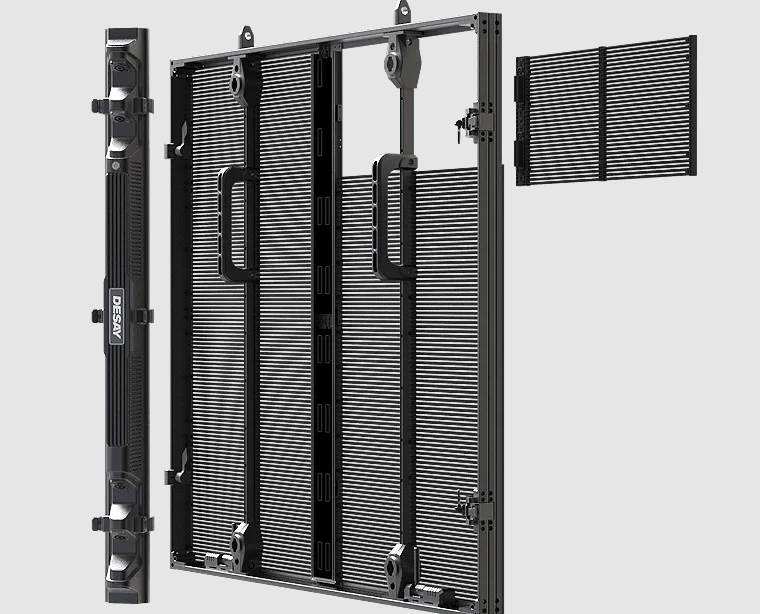
Maintaining an Open Space
Arguably the biggest advantage of a transparent LED display is that it does not enclose a space. Think of a traditional solid LED wall. It is like building a new wall. It separates the space, obstructs the view, and makes an area feel smaller and more cramped. This is especially problematic for places where an open and spacious feel is desirable, such as an upscale retail shop or a contemporary office reception area.
Unlike opaque screens, transparent screens allow sight lines to continue beyond the screen to the architecture and activity behind it. This maintains that open, airy feeling. This is especially advantageous for storefronts, hotel lobbies, airport terminals, and high end restaurants. Businesses can incorporate eye catching digital displays and still keep that sense of openness. The design of the building, the natural light, and the activity on the other side of the screen all remain visible. The display adds another layer of information and art to the space, and importantly, it does not take anything away from the environment. Rather, it enhances the space.
Letting Natural Light In
There is no doubt that humans have an innate love for natural light. It adds warmth, comfort, and health to an interior space and increases the connection to the outside world. Unfortunately, normal screens are the enemy of natural light. Opaque screens block glass facades. They cover the glass and stop light from entering the building. As a result, you may have to rely on artificial light for illumination, which is energy inefficient and creates a less pleasant environment.
A transparent LED display works with light instead of against it. It allows light to pass through, just like clean glass. This is a big deal. It means you can have a bold and fully functional digital display in a window, a place where you would not normally want a digital display because it would darken the space behind. Imagine a busy shopping street. A retailer can create a stunning visual display to captivate customers using a transparent screen, while also letting the shop space remain bright and inviting with sunlight. Furthermore, customers can see the actual products inside, while the digital display creates an inviting atmosphere. It is the perfect combination of unobstructed natural light and an attention grabbing digital display.
Connecting the Inside with the Outside
A transparent LED display keeps the visual link between spaces and even enhances it, thanks to its ability to let light and visibility pass through. In retail, this display connects the activity outside on the street with the atmosphere inside the store. Customers experience the screen not just like any ordinary screen, but almost like a digital art gallery. The screen allows them to view the digital content, but also to see into the store, discover something interesting, or feel the brand's vibe. This multilayered perspective draws the attention of passersby and creates a smooth transition from the public space to the commercial space.
When it comes to office design, think about how a lobby screen can connect the reception area to the meeting rooms and collaborative spaces behind it. Integrating a transparent screen makes the office feel more cohesive, inviting, and contemporary. It helps eliminate the closed off feeling that walls and partitions can create. Instead of standing in the way of collaboration, the screen encourages it by visually weaving together different areas of the office. It adds to the collaborative feel by incorporating digital elements and layers into the surrounding physical space.
Enhancing the Visual Experience with Floating Images
Using a transparent screen instead of an ordinary one provides a more innovative and pleasing visual experience. A traditional screen gives you a flat, featureless background for the image. Your mind sees the image and its background as one single thing. A transparent screen is different. Your eye sees light and space behind the image. So the image no longer looks like it is on a flat surface. Instead, it looks as if it is floating in the air.
This has a very surprising and naturally engaging effect. When someone looks at the image, they perceive it along with depth and space. It gives a sense of wonder and pulls them in. People look twice. It is the ideal technology for creating those wow moments that people remember and talk about. Quality manufacturers, the ones with decades of experience, build high brightness levels into their screens. Combined with the floating image effect, this provides vivid, clear, and impactful visuals, even in daylight. The images do not compete with the background. They coexist with it, creating a unique visual experience.
Enhancing Architecture, Not Hiding It
Engineers, architects, and designers put a lot of effort into the look and feel of a building. They carefully consider materials, shapes, and the effect of light on glass to create a certain experience and aesthetic. A high quality, opaque screen, even a very good one, covers up all that work. When it is off, it turns a beautifully designed glass facade into a large, black, dead box. When it is on, it becomes a flat wall of light. The architecture behind it is virtually gone.
The transparency of LED screens allows people to see the full design of the building behind the display. It does not obstruct it like a traditional digital billboard. The depth of the building remains visible, creating an effect where digital imagery seems to be layered over the architecture. These screens offer a more thoughtful way to integrate digital media into the physical world. They respect the building's facade and let the architecture speak for itself. The best innovative manufacturers design their screens as a tool for architects and designers, not as a replacement for their work.
Contributing to Energy Efficiency and Sustainability
Beyond appearance and aesthetics, light transmission also has practical benefits for energy use and sustainability. In a building with a standard, opaque screen mounted on a window, you lose all that natural light. You would have to run electric lights behind that screen all day. This increases energy consumption and operating costs.
With a transparent screen, natural light can illuminate the interior for most of the day. This greatly reduces the demand for artificial light, leading to direct energy savings. Also, transparent displays require far less structural support than traditional LEDs. This means fewer materials are needed for installation and support structures. For companies and projects focused on meeting sustainability targets and minimizing environmental impact, these are practical and significant benefits. It makes it possible to use innovative, attention grabbing technology in a more environmentally responsible way. Leading innovators are combining more energy efficient displays with more efficient use of materials in their transparent products.
Embracing the Versatility of Transparent Displays
Because they integrate so well with light, space, and architecture, transparent LED displays offer unique benefits that create many options for use. They can be installed directly on existing glass, turning windows and doors into fully alive digital displays. They can be used as freestanding dividers that maintain light flow in open plan workspaces. They can create digital art installations in public spaces that engage viewers while still allowing them to see through to the environment beyond.
Think about the awesome, massive naked eye 3D displays that have become famous around the world, like the one in Tokyo's Shibuya Plaza. These incredible illusions are created using advanced screens designed to fuse with the glass parts of buildings. The light transmission is part of the magic. It allows the digital content to interact with the real world background, creating the depth and perspective that makes the 3D effect so convincing. A solid screen simply cannot do what these integrated screens can. This creates a powerful tool for brands, artists, and architects to bring their creative ideas to life in new and exciting ways.
Preserving Valuable Views
In many public and commercial areas, the view is just as valuable as the space itself. Think of a corner office that looks out over a beautiful park, or a fine dining restaurant with an uninterrupted view of the city. That view adds tremendous value. Placing a big, solid screen in front of it would decrease that value significantly, turning a premium view into a blank wall.
A transparent LED display is the ideal answer. The view of the city, the park, or the landmark remains fully visible to you and your customers. The connection to the outside world is still there. But now, layered over that view, there is also dynamic digital content. It could be subtle branding, helpful information, artistic animations, or even information about the scene outside. It is revolutionary that you can now create a powerful digital presence without losing an excellent view. Locations with premium views, once off limits for digital signage, can now become the best digital advertising locations of all.
A Testament to Reliable Technology
To experience all these amazing benefits, the underlying technology has to be dependable and work without any issues. A transparent screen must be bright enough to be visible in any type of light. It must be transparent enough to offer unobstructed views. And it must be durable enough to operate for long periods in varying conditions. This is far from easy. It requires a formidable level of knowledge and expertise.
This is why it is so critical to partner with experienced and reputable manufacturers. A solid manufacturing partner with a strong global presence, a track record of successful high profile projects, and deep engineering capabilities is essential. They are the ones who can deliver leading pixel pitch, transparency, and image quality. They also have rigorous quality assurance systems for engineering, manufacturing, and quality control. This drives a high level of reliability in their products. When you choose a screen from a premium manufacturer, you are not just getting advanced technology. You are also getting the confidence that comes from solid build quality and dependable performance.
Looking Forward to a Brighter, More Innovative Future
The defining feature of an advanced LED display is, of course, light. And the ability to transmit light and integrate displays into environments where light matters is what sets transparent technology apart. But this ability to transmit light is far more than just a spec sheet comparison. It represents a revolutionary shift. Displays are moving from being objects that block, dominate, and separate, to becoming elements that integrate, enhance, and illuminate our spaces in more elegant ways.
As this technology advances and the pace of research and development continues to drive innovations in transparency, pixel pitch, and cost reduction, we will see even more integrated and imaginative uses in the near future. The rapid adoption of transparent LED displays will quietly and beautifully improve the environments of our cities, our shops, our workplaces, and our public spaces. These digitally enhanced environments, which integrate seamlessly with existing light and structures, will enrich our surroundings without ever getting in the way.

