

How to Use Transparent Led Display for Facades?
Building facades reflect the character of a city. For decades, facades made of glass, stone, and metal remained the same. But buildings, like the cities around them, can change with emerging technologies. One such new technology is the transparent LED display, which allows facades to become dynamic. These are not bulky, obstructive screens. Instead, they let the building and the digital display work together to create an interactive experience. So, how can you actually use a see through LED display on your building? Here, we examine the main factors and methods.
Understanding the Unique Opportunity
Before we get into the practical steps, it helps to understand why a transparent LED display is a great choice for a building facade. An opaque, traditional LED screen blocks the view. It can turn what could be a beautiful glass building into a dark, closed off box. These screens block views from the inside and hide the architectural design. A transparent screen is different. It maintains the building's original look and feel while adding stunning visuals from the outside. People inside can still look out. This allows the building and its surroundings to stay connected. Transparent displays add a layer of modern digital communication without sacrificing the original design. For brands that want to make a statement, or for iconic buildings, this is about creatively enhancing the architecture, not covering it up.
Selecting the Best Product for Your Project
The first practical step is choosing the right display. Not all transparent LED displays are the same. You need to consider several key factors. Pixel pitch determines the image's sharpness. A display viewed from far away, like across a street, can have a larger pixel pitch than one meant to be seen up close. Transparency rate is also important. This is how much light can pass through the screen when it is off. A higher rate means less visual impact on the building during the day. Brightness is another critical factor. The display needs to be bright enough to be clearly visible, even in direct sunlight, without glare washing out the image. Established manufacturers with experience on international projects understand these factors well. They offer different products designed for different facade applications, knowing that one size does not fit all.
Blending with the Building's Design
For a successful facade integration, the design must come first. The screen cannot look like something added on as an afterthought. It needs to feel like a natural, intentional part of the building. To achieve this, collaboration with the architect and design team needs to begin as early as possible. Key questions to ask include: Where on the facade should the screen be placed? Should it cover the entire surface or just specific sections? How will the display interact with the building's structural lines and materials? For glass curtain walls, the display might be positioned behind the glass, or it could even replace several glass panels entirely. The ultimate goal is a seamless integration. When the screen is off, it should be nearly invisible. When it is on, it should look as if the facade was always meant to glow and move. Achieving this level of integration is what makes the difference between a good project and a truly great one.
Considering Installation Methods
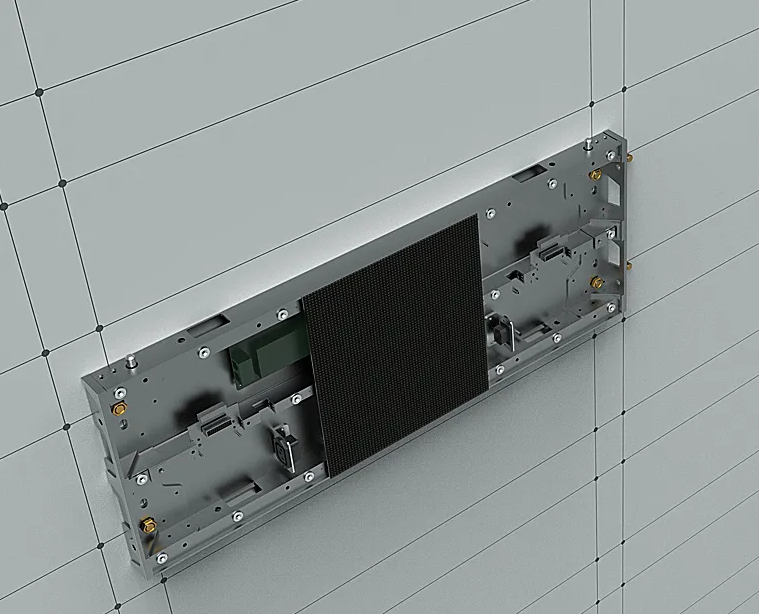
The installation method is a very important part of this process. Because transparent LED displays are lightweight and much slimmer than standard displays, they offer more installation options. One common method is direct mounting behind the building's glass. This provides the display with full protection from the weather while keeping it completely visible from the outside. Another option is to integrate the display within the curtain wall itself, with custom LED panels fitted into the frames between the glass. In some cases, the display might be mounted externally, on the outside of the building. This requires special design and engineering to ensure it can withstand wind, rain, and temperature changes. The best mounting option depends on the building's design, the local climate, and the desired look. Having the right, experienced installation team is just as important as choosing the right screen.
Planning Content That Works
A transparent LED screen on a building's facade is not the same as a regular video screen. Because it is see through, the content has to be designed specifically for this medium. You have to consider what is behind the screen, whether it is the building's interior or the sky. The visuals will interact with that background. This can be used to create amazing layered effects. You can design content that plays with the screen's transparency, making elements appear to float in front of the building. This is especially powerful for creating effects that look three dimensional to the naked eye. Think about the huge, famous LED screens at Shibuya Plaza in Tokyo. Their content is brilliantly designed to interact with the depth and transparency of the building itself. So, when you plan for a facade display, you are not just planning video content. You are creating a complete experience that involves the entire building.
Managing Day and Night Appearance
A building's appearance changes with the time of day, and your transparent LED display needs to work well in both day and night conditions. During the day, the display needs high brightness to make its images visible against the sunlight. At the same time, you want the screen to be unobtrusive when it is not actively showing content. This is where good design and high transparency are essential. A well integrated screen will almost disappear against the glass during the daytime. At night, the dynamic changes completely. The screen can become the star, with bright, colorful, and moving images shining against the dark sky. This creates a powerful visual contrast and impact. Planning for this day and night cycle is a big part of the overall display strategy.
Ensuring Structural Safety and Reliability
Safety is the number one priority when placing any display on a building facade. All installations must be done with the utmost care and precision. The structure must be able to safely manage the display's own weight, as well as withstand wind loads and potential seismic activity. This is not a job for amateurs. You need to work with expert engineers who understand building structures as well as the specific requirements of LED display installation. Reliability is also critical. Accessing a display on a high rise building for repairs is difficult and expensive. The components and the overall design of the display need to be extremely durable. Companies with a long history in the industry, who have built a reputation for quality, understand the high level of demands that come with a high profile facade project. They know that a failure is simply not an option.
Learning from Proven, Successful Projects
One of the most effective ways to guarantee success is to learn from projects that have already been completed. Look at examples of how transparent LED displays have been used on building facades around the world. The Japan Shibuya Plaza project is a prime example of how a large, see through display can turn a building into a landmark. The screens used at the Oscars for several years demonstrate the level of quality and dependability needed for high pressure, high visibility situations. Manufacturers and installation teams who have delivered this type of work have proven they can handle the complexity. They have the necessary engineering, manufacturing, and project management skills to turn a facade vision into reality. When you are selecting a partner for your own project, this kind of proven experience is not just a bonus; it is a must.
Transforming a Building into a Landmark
Ultimately, using a transparent LED display on a building's exterior is about creating something memorable. It is about making a building a dynamic, living part of the city. A well designed display can serve as an artistic canvas, a powerful medium for brand expression, and a source of public information and entertainment. When done correctly, a transparent LED display adds a new element of wonder and captivates audiences on the city streets, all while complementing and enhancing the building's original design. By focusing on proper planning, choosing the right technology, and partnering with experienced talent, a transparent LED display can transform a building into a true landmark for the foreseeable future.

