

Indoor Led Display: Slim Design Trends
Time: Oct 17, 2025
Hits: 0
Indoor LED Display technology has advanced significantly. Gone are the days when bulky and inefficient displays were the norm. Today's meeting rooms, exhibition halls, and even retail boutiques demand displays that are seamless and blend harmoniously with their surroundings. Slim design is no longer an option—it has become a necessity. Desay has been in the LED display industry for over 20 years, with its equipment used in high-profile venues such as Olympic stadiums and NBA arenas. The company has mastered the core functionality of slim Indoor LED Displays, understanding that the true value of slim designs lies in enhancing the overall user experience. Below, we will explore the design concepts behind slim Indoor LED Displays and the key technologies Desay uses to lead this trend.
Material Innovation: The Foundation of Slimness
Creating a slim Indoor LED Display is impossible without the right materials. Early LED displays relied on heavy steel frames and thick plastic casings, which severely limited how thin and lightweight the products could be. Today, advancements in material science have transformed this landscape, and Desay leverages cutting-edge materials to reduce bulk while maintaining strength and durability.
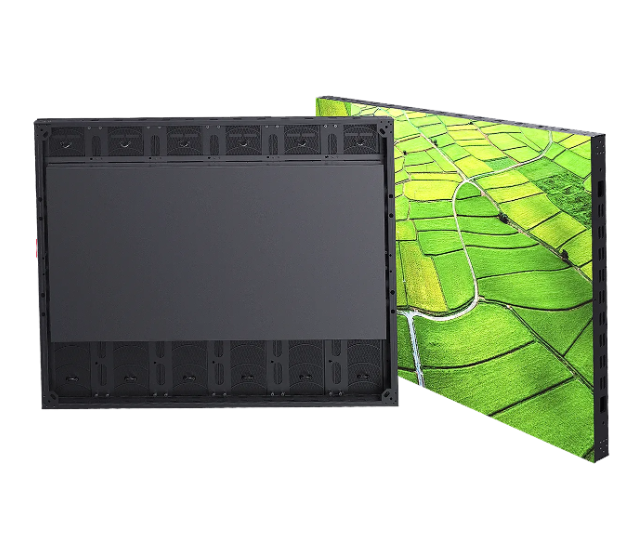
Die cast aluminum is a cornerstone of this transformation. Desay's RS indoor rental series features 500x500mm die cast aluminum cabinets, each weighing just 5.6kg, while the 500x1000mm version weighs a mere 11kg. By comparison, older steel cabinets of the same size could weigh twice as much! What's more, steel is prone to corrosion, whereas aluminum offers excellent corrosion resistance—ensuring the displays remain durable even with frequent movement or long-term use. A corporate event company in Europe switched to Desay's RS series last year; previously, two people were needed to carry each cabinet, but now one person can handle it with ease. This cut their setup time for large conferences by an impressive 40%.
Carbon fiber takes slimness and lightness to the next level. Developed in collaboration with Rococo, Desay's H Series display is among the lightest rental screens on the market. Carbon fiber—widely used in race cars and aircraft—is renowned for its exceptional strength and ultra-lightweight properties. This is not just for aesthetic appeal: lightweight cabinets eliminate the need for heavy-duty mounting brackets and additional structural support, simplifying installation. The H Series was used for a temporary art exhibition at a museum in Hong Kong; the displays were hung directly on drywall without extra support, and their slim profile allowed natural light to flood the gallery without obstruction.
These materials also address a critical challenge for slim displays: heat dissipation. Slim designs leave no space for large cooling fans, so the materials themselves must efficiently conduct heat away from the LEDs. Aluminum and carbon fiber are excellent thermal conductors, keeping the display cool even during extended use. This significantly reduces the risk of malfunctions and extends the display's lifespan—a key consideration for businesses investing in Indoor LED Displays.
Structural & Packaging Tech: Making Slimness Work Without Compromise
A slim design is meaningless if it sacrifices display quality or complicates installation. The real trend lies in intelligent engineering—using innovative structures and smart packaging to keep Indoor LED Displays thin while improving usability and reliability. Desay has developed several patented designs that achieve exactly this.
Take the elastic clip structure used in Desay's modules. Older displays required numerous screws to hold the screen together, adding thickness and slowing down assembly. The elastic clip design is simple yet effective: clips slide over the LED strips and frame, securing all components tightly without additional hardware. This reduces cabinet thickness and enhances screen flatness. When pixels are perfectly aligned, the display delivers a smoother visual experience—even with small pixel pitches as low as 1.5mm. A design studio in Tokyo used these modules to create a client presentation wall; The slim, seamless appearance elevated the digital designs, and the client evenmistook the screen for being twice as expensive as it actually was.
COB (Chip on Board) packaging technology is another revolutionary advancement for slim Indoor LED Displays. Unlike traditional methods that attach individual LED bulbs to a board using wires, COB technology mounts chips directly onto the PCB (Printed Circuit Board). The wire-free design enables a much more compact and lightweight structure while boosting durability—fragile wires are no longer at risk of breaking during transportation. Desay's indoor COB displays are just a few millimeters thick, yet they deliver bright, evenly colored visuals and a contrast ratio of over 10,000:1. A medical facility in Singapore uses these displays to show patient data; their slim design fits easily in cramped nurse stations, and the clear display ensures medical staff can read charts effortlessly.
Another notable innovation is the transparent screen module design. Desay's engineers made the innovative choice to tilt the LED panels; when the screen is inactive, it allows light to pass through. These screens, designed with 70% transparency, are often referred to as"invisible"displays. A high-end clothing store in Paris installed one of these 70% transparent screens behind glass showcases: during store hours, the screen plays product videos, and when closed, it blends seamlessly into the background—allowing customers to admire the mannequins inside. This elegant transparent design integrates the display perfectly into the store's decor.
Scenario Adaptation: Slim Designs for Various Indoor Spaces
Desay recognizes that different indoor environments have unique needs. As such, its slim designs are versatile enough to adapt to spaces ranging from small meeting rooms to large event halls.
Meeting rooms are a prime example. Most offices have limited space and cannot accommodate large, clunky displays. Desay's slim screens mount flush against the wall, resembling a giant tablet. Their lightweight construction means no need to drill into wall studs, and their thin profile avoids looking obtrusive. A tech company in California replaced its old projector with a Desay slim Indoor LED Display, eliminating issues like dim lighting, space-hogging equipment, and blurry images—all while freeing up floor space. With a refresh rate of 3840Hz, there is no flicker during long video calls, reducing eye strain for employees in meetings.
In exhibition halls and museums, displays need to complement exhibits rather than steal the spotlight. Desay's slim transparent screens are ideal for this purpose. An Australian natural history museum used them to overlay digital information onto dinosaur skeletons; the screens were so thin and clear that visitors could view both the skeleton and digital facts simultaneously. For temporary exhibits, the rental version of these screens is easy to install and dismantle. The museum reported that visitor engagement increased by 60% because the displays felt more interactive and less intrusive.
Retail environments are leveraging slim Indoor LED Displays to boost customer engagement. Luxury retailers like Chanel have integrated Desay's displays into their stores: slim screens embedded in shelves or mounted behind counters play product story videos. Their slim profile minimizes distraction from merchandise, while high resolution delivers vivid colors. A cosmetics retailer in London added Desay's slim interactive screens next to its counters; customers who watched tutorials on the screens while testing makeup helped drive a 35% increase in sales of featured products in the first month.
User-Centric Design: Slimness That Reduces Costs and Complexity
Ultimately, the latest slim design trends for Indoor LED Displays are driven by core user priorities: lower costs, simpler setup, and less hassle. Desay's designs are not just aesthetically pleasing—they also save time and money, which is why its products are trusted for high-stakes events ranging from the Super Bowl to presidential elections.
When calculating total costs, transportation and installation expenses should not be overlooked. Fortunately, lighter and slimmer displays significantly reduce shipping costs: they are cheaper to transport, and there is no need for heavy freight services or additional handlers. A rental company in the US used to spend $2,000 on shipping displays for a single event; with Desay's RS series, this cost dropped to just $800, thanks to the lighter, stackable cabinets. Installation time is also reduced: Desay's designs use plug-and-play components, allowing a team to assemble a 20-square-meter screen in less than two hours. This leaves ample time for pre-event testing.
The benefits of slim design extend beyond installation—they also simplify post-event maintenance. Desay's displays feature easily accessible modules; there is no need to disassemble the entire screen to repair a single LED. The elastic clip system allows technicians to replace a faulty strip in minutes, and COB packaging reduces the number of vulnerable components. A hotel in Dubai, which uses Desay's slim screens in its ballroom, once encountered a faulty pixel right before a wedding; the technician fixed it in just 10 minutes. Quick resolution of display issues is critical—the hotel previously lost money due to canceled events caused by display problems, but this has not happened since switching to Desay.
The advantages of Desay's designs are supported by international design awards. Its RS and RT series each won a 2024 Red Dot Design Award, adding to the brand's existing collection of iF Design Awards and Red Dot wins. These awards recognize more than just design—they also commend usability and professional performance. For businesses, this means investing in a slim Indoor LED Display that has been rigorously tested and certified by industry experts.

