

Fixed Installation Led Display: Outdoor Media Facade Use
Let me paint you a picture. You are walking down a busy city street at night. The buildings around you are dark, except for one. Its entire front surface is alive with color, moving images, stories unfolding right on the glass and steel. That is not science fiction anymore. That is what a fixed installation led display can do when you use it as an outdoor media facade.
More and more building owners are realizing that their exterior walls are not just for keeping the weather out. They are prime real estate for communication, advertising, and art. But putting up a giant screen on a building is not as simple as hanging a picture. There is a lot to think about. Let me walk you through the real stuff you need to know.
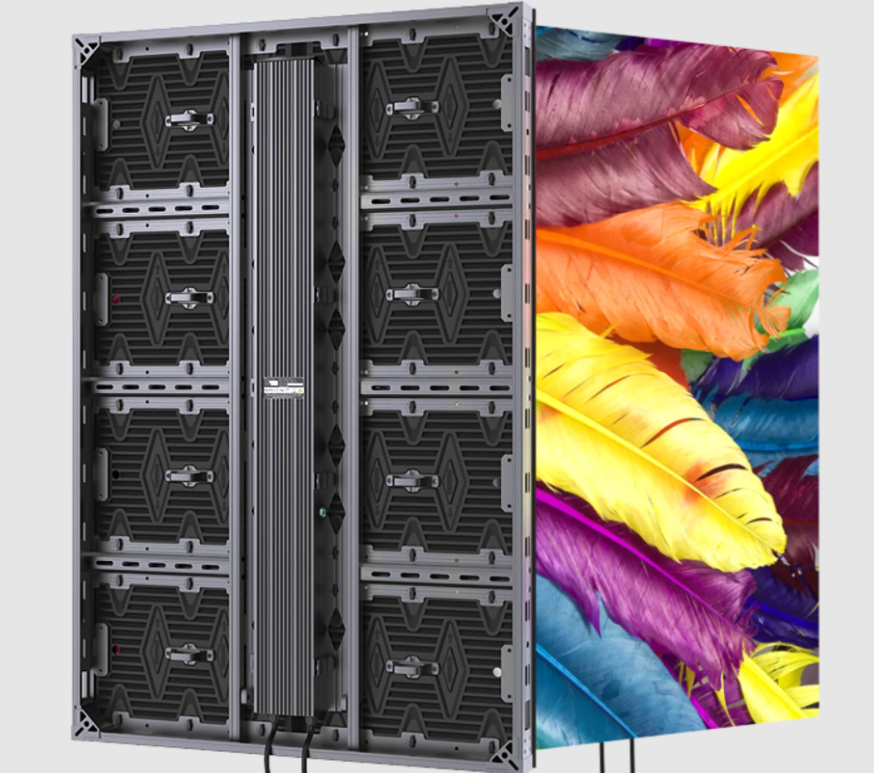
What Makes a Media Facade Different from a Billboard
First, let me clear up a common misunderstanding. A media facade is not just a big billboard stuck onto a wall. That is the old way of doing things. A true architectural LED facade becomes part of the building itself. It is integrated into the design, not just bolted on top.
There are three main types of LED facades out there. Solid LED screens give you the highest pixel density and brightest images, but they are heavy and catch a lot of wind. Mesh or transparent LED facades have lower pixel density but let air flow through and preserve daylight inside the building. That is a big deal if you do not want to turn your office into a dark cave. Then there are linear or node based facades, which use distributed points of light for patterns and subtle effects rather than detailed video.
The key difference is integration. A media facade should look like it belongs there, not like an afterthought. The most successful projects are the ones where the building still looks beautiful even when the screen is turned off. That takes real planning.
What Technical Specs Actually Matter for Outdoor Use
When you are shopping for a fixed installation led display for an outdoor facade, there are a few numbers that really matter. Do not get lost in marketing speak. Focus on these.
Brightness is huge. Outdoor screens need to fight against direct sunlight. A good outdoor facade display should hit at least 5000 nits. For really sunny spots, 7500 to 10000 nits is even better. I have seen projects with 7500 nits that run perfectly even under blazing sun.
Pixel pitch is another big one. This is the distance between individual LEDs. For a media facade, you need to match the pixel pitch to how far away people will be standing. A digital facade facing a highway needs a coarser pixel pitch than one in a pedestrian plaza where people are up close. Drivers moving at 40 miles per hour need bold visuals and simple messaging. Pedestrians standing a few feet away can appreciate finer detail.
IP rating tells you how well the screen is sealed against dust and water. For outdoor use, IP65 is the standard you should look for. That means the cabinet is completely dust tight and can handle water jets from any direction. Some high end screens go up to IP67, which means they can survive temporary submersion. That is overkill for most facade applications, but nice to have.
Refresh rate matters too, especially if your screen will be filmed or used for live broadcasts. 3840Hz is the gold standard. It eliminates flickering and makes motion look smooth and natural.
Designing for Day and Night
Here is something a lot of people do not think about. Your media facade has to look good in two completely different states. When the content is on, it needs to be vibrant and engaging. When the content is off, it needs to blend in and look like a normal building.
Transparent LED technology has made this much easier. These screens allow light to pass through. During the day, the building remains light filled and architecturally readable. At night, it transforms into a dynamic canvas. This duality is what separates true media architecture from a simple digital sign.
You also need to think about automatic brightness adjustment. A good system will ramp up the brightness when the sun is high and dim down after dark. That saves energy and prevents blinding pedestrians at night. Many modern screens come with built in ambient light sensors that handle this automatically.
The Engineering Reality That Nobody Talks About
Let me be straight with you. Installing a fixed installation led display on a building facade involves real engineering challenges. The stuff that goes wrong is usually not the electronics. It is structural and environmental.
Wind loads are a big deal. An outdoor screen catches wind like a sail. The structural engineer needs to evaluate the loads using proper building standards. Heavier solid screens increase structural demands and may require substantial steelwork. Mesh systems reduce wind load but need careful tensioning to avoid visual waviness. You also need access platforms and service rails. Include those early in the design. Do not try to add them later as an afterthought.
Heat is another hidden problem. LED screens generate heat, and when the sun is also beating down on them, things get hot. Then at night, everything cools rapidly. That daily cycle stresses seals, adhesives, and even the LEDs themselves. If airflow is restricted behind a solid screen, hotspots can accelerate LED aging and create visible non uniform patches over time. Good designs include ventilation gaps, chimney effects behind the system, and temperature monitoring.
Water paths matter too. Poor drainage is a common cause of failure. Water finds its way into the smallest cracks. Then it freezes, expands, and breaks things. Then it corrodes connections. A proper installation accounts for every possible water path and seals it.
Maintenance Is Not Optional
Once your media facade is up and running, you cannot just walk away. Regular maintenance is what separates a screen that lasts ten years from one that dies in three.
Cleaning is the most basic task. Dust, pollution, and bird droppings build up over time and reduce brightness. Use a soft microfiber cloth or a soft bristle brush. Never use harsh chemicals. Ammonia based cleaners can strip the anti UV coating off the LED lamps. Stick with pH neutral LED cleaner or just distilled water.
You should do a visual walk around regularly. Check for dead pixels or dark strips. One faulty connection can affect a whole vertical line on some screen designs. Check the cabinet seals. Make sure the waterproof gaskets are still intact. Extreme temperature changes can cause materials to expand and contract, compromising the weatherproofing.
Electrical checks are also important. Vibrations from wind or nearby traffic can loosen connectors over time. Tighten power and data cables periodically. Make sure the screen is connected to a stable power source with surge protection. Fluctuating voltage is a leading cause of premature LED aging and color shifting.
For outdoor screens in polluted or dusty areas, clean them once every one to two weeks. For cleaner environments, once a month might be enough. But do not skip it.
Real World Examples That Show What Is Possible
Let me give you some real examples so you can see what a fixed installation led display can do when done right.
Take the Cocor Shopping Mall in Bucharest, Romania. They installed over 550 square meters of outdoor LED screens across three sides and corners of the building. These screens hit 7500 nits of brightness and run at a 15000Hz refresh rate. The result is a panoramic visual experience that turned an ordinary mall into a breathing digital landmark. It is now Eastern Europes first true architecture as media project.
Or look at Hong Kongs Hing Wai Building. The owner invested about 3.1 million dollars to put a massive LED wall on the facade. That screen now generates 3.3 million dollars in annual advertising revenue. That is equal to the rent from ten full office floors. The screen is fully booked with advertisers well into next year. That is not just a display. That is a revenue engine.
In Singapore, the ION Orchard mall unveiled a 189 square meter full HD LED facade on Orchard Road. It has two million pixels, high color vibrancy, and stereo sound. It also features smart ambient sensors for auto brightness adjustment. It captures over 1.35 million viewable impressions every single month.
These examples show the same thing. When you do a media facade right, it is not a cost. It is an investment.
Putting It All Together
So here is the bottom line. Using a fixed installation led display as an outdoor media facade is a serious undertaking. It is not something you decide on a whim. But when done right, it transforms your building from a static structure into a living, breathing communication platform.
Focus on the specs that actually matter. High brightness, proper IP rating, and the right pixel pitch for your viewing distance. Do not skip the engineering. Wind loads, heat management, and water protection are not optional. Plan for maintenance from day one. And work with a manufacturer that has a track record of successful facade projects.
Your building is already talking to everyone who walks by. The question is whether you want it to whisper or shout. A well designed media facade lets you do both, depending on the time of day and the message you want to send.

