

Rental Led Display: Indoor vs Outdoor Options
Selecting the Perfect LED Screen Rentals for Indoor and Outdoor Events
If you are searching for LED rental displays for an upcoming event, the selection process can be overwhelming, and many potential clients don't know what to choose, especially when they need an LED rental display for a corporate event, live concert, or for a trade show booth. One of the most critical decisions to make when choosing a rental LED display is determining whether you need an indoor or outdoor display. While the displays may look the same when you are browsing a website, there are many key features and differences to differentiate them. This guide focuses on the indoor vs outdoor displays, breaking down the differences, ideal features and the best use cases for each, so that your event is sure to be an incredible visual experience.
Understanding the Core Differences
When considering indoor vs outdoor rental LED screen displays, the first thing to consider is the difference in the environment the screens are designed to operate in. An indoor display screen, if placed outside, will be unreadable in direct sunlight and could be damaged by rain. An outdoor display, if used in an indoor environment, is going to be unaugmentably bright and possibly overkill for the space. The primary differences are overall brightness, impact weather and image quality - all designed to fit particular viewing situations. As long as you consider the fundamental differences, you will be well on your way to making an informed choice that matches the requirements and location of your event.
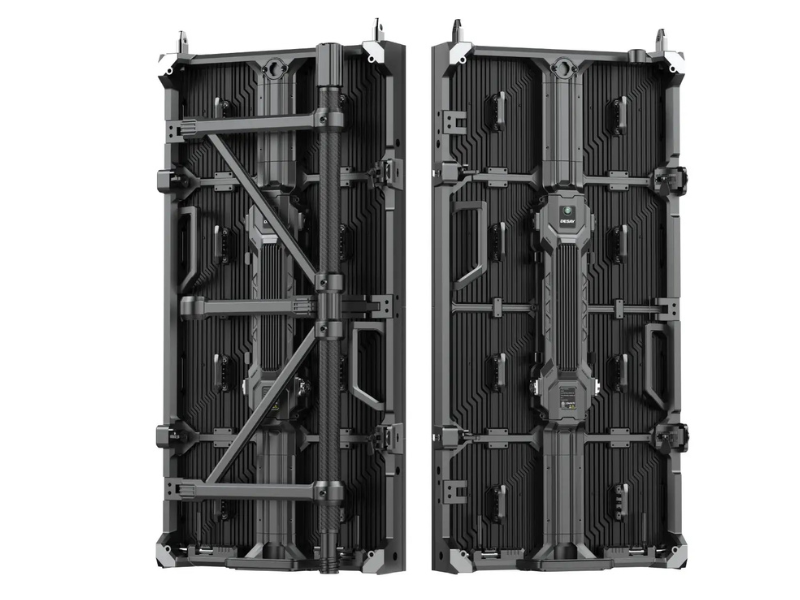
One of the most important things is how bright the display is, which is measured in nits or candela per square meter (cd/m²). For indoor LED displays, functioning within a brightness range of 800 to 2,000 cd/m² is ideal. This is most appropriate to environments with fixed light, such as conference rooms and exhibition halls, where too much brightness can be a strain to the eyes. Outdoor LED rental displays, however, face the direct obstacle of sunlight by requiring an even higher brightness, generally starting to be adequate at 5,000 cd/m² and going even to 10,000 cd/m² or higher to keep the content bright and clear. An excellent is the RT Series outdoor displays at a brightness of 5,000-6,000 nits. This brightness guarantees visibility even when the sun is out.
Another difference is the pixel pitch, which measures the distance, in millimeters, between the centers of two neighboring pixels. A smaller pixel pitch means the pixels are closer together which translates to higher resolution, better quality images for viewers that are closer to the screen. Indoor displays are meant for viewing distances which is why these displays have pixel pitches that are smaller like P1.2, P1.5 or P1.9. Outdoor rental LED displays are meant to be viewed from a distance which is why they have a larger pixel pitch like P4, P6 or P8. Because of this, displays like the RT Series that have pixel pitches of 2.6mm to 4.8mm is a great option for many different outdoor uses, offering good image quality for a great price.
Characteristics of Outdoor Rental LED Displays
Outdoor rental LED displays are built with great attention to detail to ensure they withstand the challenges of the elements. The retention of outdoor electronic equipment is its ingress protection. The two-digit number of the rating is a great indicator of how well the display is compartmentalized versus moisture. For outdoor use, a rating of at least IP65 is needed, which indicates that the display is completely dust-tight and protected from any level of low-pressure water jets that could strike the display from any direction. The RT Series displays with IP65 rating for the front provide this level of protection where you can relax and not worry about changing weather.
Rather than just being weatherproof, the internal components of the high-end outdoor rental LED display is designed for ruggedness. Ensuring sufficient ruggedness in a display is one of the primary design goals, and more ruggedness is achieved after the modules are assembled. Not just for marketing, high brightness is critical for the outdoor LED displays. As for the outdoor displays, high brightness operation and exposure to direct sunlight high temp operational environments. Effective heat dissipation systems is just as critical to ensure that high temp operational environments are not a concern. The strong aluminum cabinet, as is the case of the RT Series, along with the advanced protective coatings on the electronics, is more than capable of withstanding the temperature extremes, humidity, and airborne dust and sand.
Outdoor rental displays are designed with consideration to the installation and maintenance logistics. As part of a full rental and touring system, their outdoor rental displays are designed to be lightweight and strong so that their aluminum frames can be assembled and disassembled quickly. To optimize use of the outdoor rental displays between event sites, touring frames and dollies are available. Fully front and rear access maintenance is a common feature in professional rental equipment and is invaluable in outdoor venues with no access to the back of the screen. Technicians can carry out repairs and front panel module swaps on the screen without breaking the seal of the installation which is a common feature in professional rental equipment.
Characteristics of Indoor Rental LED Displays
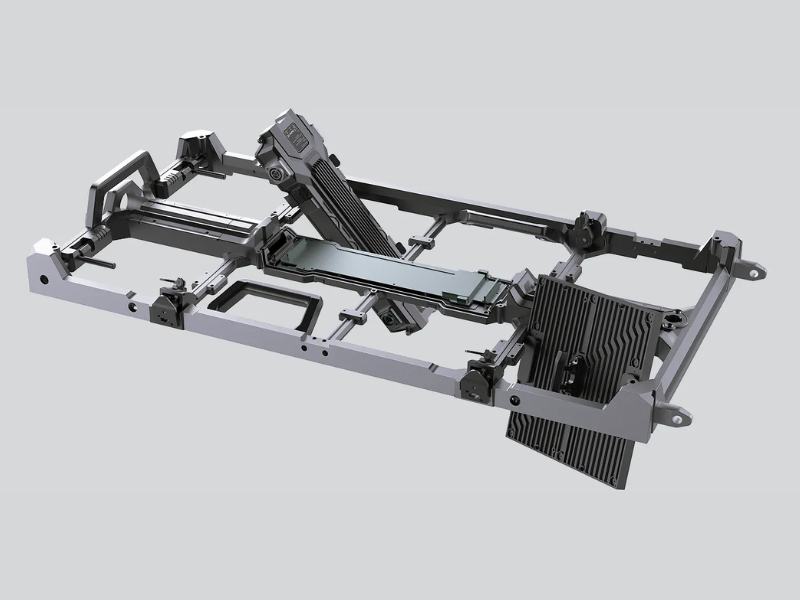
The foremost concern regarding indoor rental LED displays are the sharpness and the image quality while being displayed, and the users interaction/ experience. Since indoor displays are not outside, the image quality tends to be the best and most high-resolution where the audience is in close proximity. Since indoors is darker, brightness levels are lowered to a comfortable eye safe brightness in order to display the intricate details, the vivid colors, and the smoothness of the video while being displayed. Due to being a high resolution, the fine details, the visual impact and the intricacies of the screen, indoor displays are a primary option in areas like television studios, corporate announcements and indoor booths on trade shows.
When designing displays for indoor use, it is common to make them lightweight and slim. As there is no need for heavy weather sealing, the cabinets can be made to make them easier to handle and quicken the setup time. One frequently used measurement for indoor rental panels is 500x500mm, which is a dimension a small team can easily work with. The weight is also significantly less, with some indoor panels at 7.5 kg per cabinet at the lower end, and 16.5 kg being the weight of the panels of the outdoor RT Series. At a per panel weight, this is a crucial factor for rental companies as it increases the ease of installation, lessens the cost of labor, and streamlines logistics.
Even though they don’t need water protection and shielding from moisture, indoor displays still need to provide some rental industry protection. Features like an IP40 front rating are acceptable to protect an installation from dust and light contact in indoor environments. The constructing in on keeping a perfect flat surface across the whole video wall to avoid viewing distortions. A seamless surface is critical to the immersive viewing experience. Not having the audience’s full attention due to distortion is something the designers and builders want to avoid.
Choosing What’s Right for Your Event
Choosing whether or not to get an indoor or outdoor rental LED screen comes down to considering the needs of your event carefully. The first question to ask is the most obvious: where is the screen going to be located? If the screen is going to be placed under the open sky, then an outdoor screen like the RT Series will be the only option. Its high brightness and weatherproof ratings are both essential for durability and visibility. For events that are inside of a venue, an indoor display screen will give a better quality viewing experience with a finer pixel pitch and more comfortable levels of brightness.
You should think about what you are displaying and what the viewing distance will be. Is your content likely to be detailed graphics, fine text, or viewed up close? If so, you will need an indoor display with a tight pixel pitch for your purposes. If you need to display content for a large audience, a concert, or a sports event broadcast where the audience will be tens of meters away, then an outdoor display with a larger pixel pitch will be suitable, and is more cost-effective. In addition, what about the practicalities? Things like installation time, budget, and do you need other accessories like touring frames and dollies for easy transportation?
Lastly, consider collaborating with a trusted supplier, as he will provide you with quality equipment and expert technical assistance. What makes a reliable rental LED display provider so valuable is their ability to assist in configuring the right solution, providing professional installation, and being available to troubleshoot if needed. Recommendations can be given in areas such as ideal screen dimension in relation to the venue and audience size, appropriate control systems, and optimal content arrangement to enhance the achievement of the event. With a proper assessment of the setting, audience, and content, you can be sure to select the best rental LED display that will engage your audience and convey your information effectively.

